Computational Intuition: A New AI Architecture
We’re asking our AI tools to be poets and accountants at the same time—and then wondering why they stumble. What if our systems could balance creativity and precision not by brute force, but by architectural wisdom and computational intuition?
Shams Hamid, PhD
6/28/20252 min read
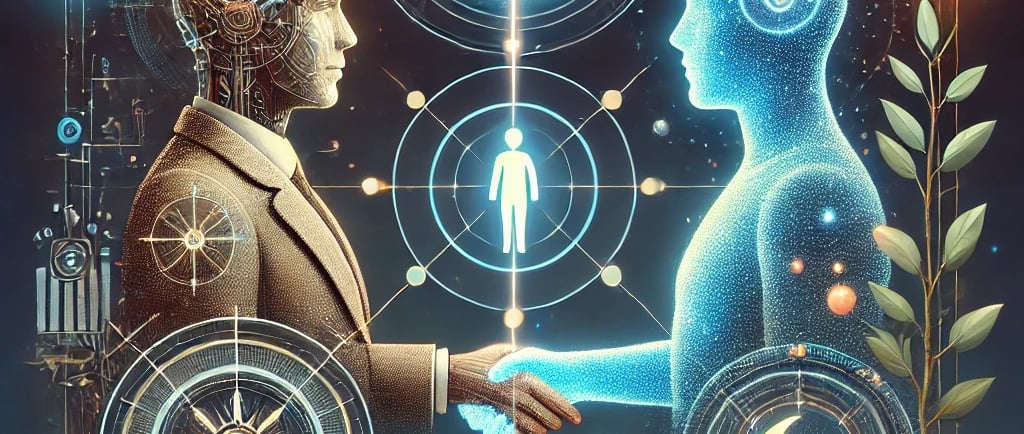
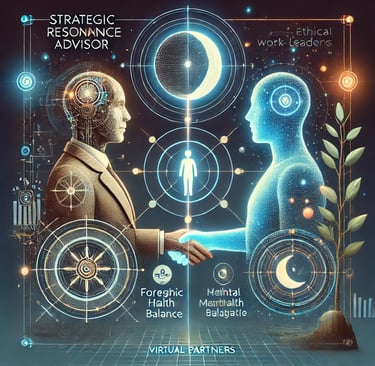
“The Tao that can be precisely calculated is not the eternal Tao.” — Laozi, reinterpreted for the algorithmic age
🔍 The Paradox at the Heart of AI Product Design
Imagine you’re building an AI-powered career coach. Your system needs to:
Offer emotionally attuned, inspiring guidance (“You might thrive in social-impact consulting or design research.”)
And also generate precise skill matches, job market fit scores, and salary forecasts.
The challenge? These tasks require two very different intelligences:
Narrative intuition, context sensitivity, cultural fluency
Statistical exactness, standardized databases, numerical reliability
We want the AI to be both poet and actuary. Mentor and metric. And we want it all in one API call.
It tries. But under the surface, the model is conflicted. And the outputs? They shimmer with promise—but often miscalculate something crucial.
🤖 Why Large Language Models Struggle Here
LLMs like GPT-4, Claude, or Gemini are:
Pattern recognizers
Story generators
Excellent at approximating fuzzy knowledge
They are not:
Calculators
Database engines
Validators of hard constraints
Asking one system to do both is like asking a jazz musician to simultaneously improvise and tune a piano by ear during the solo. Something will falter.
💡 Embracing the Paradox: “Approximate Precision”
What if the problem isn’t the model, but the architecture? What if this tension is trying to teach us something deeper?
Enter Approximate Precision: a design philosophy that respects each system’s native intelligence—letting creativity and calculation collaborate, not compete. In this approach:
The LLM serves as your intuitive coach: suggesting career paths, surfacing resonant narratives, and helping users reflect.
A separate engine handles numerical scoring, verification, and ranking, based on labor market data.
Together, they form a hybrid system—one that feels human, but calculates with integrity.
🛠 How to Architect for Harmony
This isn’t about prompt magic. It’s orchestration design. Here’s what it looks like in practice:
LLM Layer
Validation Layer
Orchestration Layer
This is computational intuition: not forcing AI to behave like a robot, but allowing it to express a new form of insight—supported by structure.
🌱 Why This Matters
We’re at a critical threshold in AI design. The old paradigm—"One model to rule them all"—is crumbling. The new paradigm is:
Let each system do what it does best.
Let the interaction be graceful, not forced.
Let meaning emerge from resonance, not rigidity.
🪞 Final Reflection
Maybe precision, as we imagined it, is a myth. Maybe wisdom lies in dancing between intuition and exactitude— Just as teachers, doctors, and mentors have always done.
In that spirit, don’t ask your AI to be everything.
Let it breathe. Let it approximate. Then wrap that breath in a structure that holds it with care.
What tensions like this have you experienced in your AI systems? Have you tried splitting intuition from validation?
Let’s learn from each other—and from the paradoxes that refuse to be solved.
#AIUX #HumanAICollaboration #ComputationalIntuition #ApproximatePrecision #LLMDesign #FuturesThinking #AIProductDesign #AIethics #HybridIntelligence #OrchestrationDesign #DesignPhilosophy #NarrativeIntelligence
Email: info@humri.io
Location: Karachi, Pakistan